

A small contribution on every stay, restaurant bill and ticket.
Collected on the invoice, ring-fenced for tourism, accounted for in public. The Tourism Development Contribution is charged on a real fiscal invoice, lodged with the Nigeria Revenue Service as it is issued, and paid into a fund that may only be spent on tourism development. The national rate in force is 1% of the eligible charge.
Five steps, and each one leaves a record somebody outside the transaction can check.
Ring-fenced for tourism. Accounted for in public.
The contribution does not disappear into general revenue. It is swept into a Tourism Development Fund that may only be spent on tourism development, and the fund publishes its own account from its own ledger.
- The position, live. Collected, remitted, in the fund, committed and disbursed — read from a double-entry, hash-chained ledger.
- The projects it pays for, once they are approved and marked public, with what has been paid against verified invoices.
- Signed monthly statements, published as PDFs anyone can download and check.

One line on the bill. One invoice you can check.
If you are paying for a room, a meal, an event, an attraction or a tour in Nigeria, the contribution forms part of your bill. What you should insist on is the invoice — a business that collects the contribution and gives you no fiscal invoice has kept your money outside the system.
- A real invoice carries an Invoice Reference Number and a QR code issued by the Nigeria Revenue Service.
- Scan it, or type it in — the verification page confirms the invoice, the business and the contribution on it.
- No invoice? Tell us. You do not have to give your name, and the business is not told who reported it.

Built for the people who have to live with it.
Businesses that charge it, guests who pay it, banks and software that move it, and the states it is spent in.
Four things you can do here without an account.
The fund's position, from its own ledger.
These are the figures the Tourism Development Fund's double-entry, hash-chained ledger holds — the same ones its signed monthly statements are built from. As at 24 Oct 2026, 17:07.
Where the registered operators are, and what they do.
Every registration is counted where the business actually trades. The register covers the whole tourism value chain, not hotels alone.
Active registrations by state
Largest first.
What kind of business is registered
By group, as the register classifies them.
What a small contribution builds.
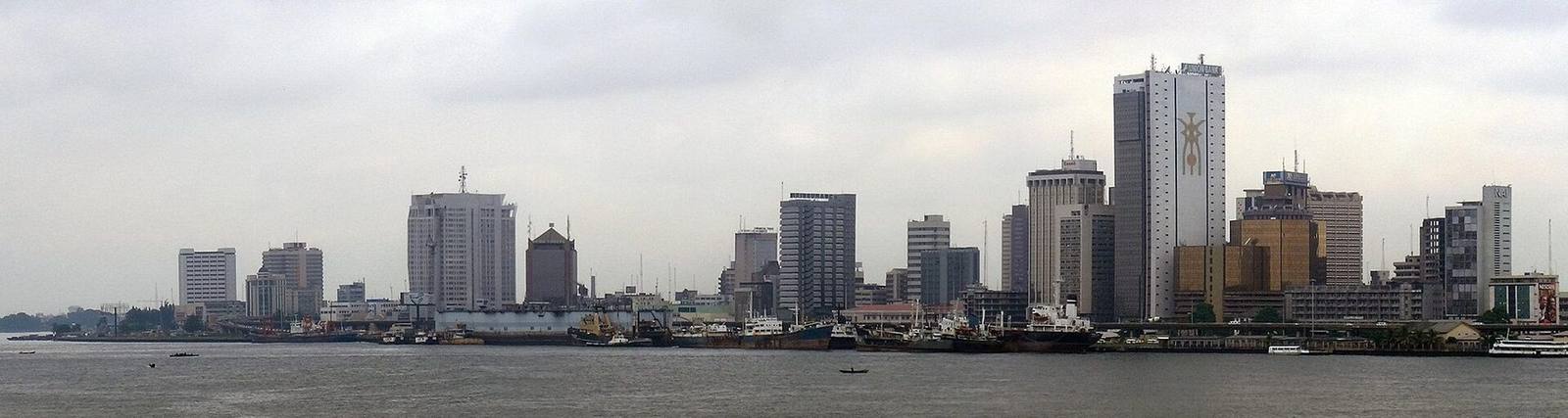
From the Obudu plateau to the Lagos shoreline — the resorts, reserves, festivals and tables the contribution is collected in, and spent on.


Photographs by Ei'eke, Sasu photography, Jummy001, kopee15, Turizimpressions, Raji kunle, Kambai Akau, 'Yemi King, Anass Sedrati, S.aderogba, Abdulrosheed Fadipe, Aduragbemio Oladapo, Kritzolina via Wikimedia Commons, each under the Creative Commons or public-domain licence listed in the photography credits.
Written for the people who have to live with it.
What the contribution is, who must charge it, what is levied, how it must be invoiced, when it must be remitted, and the penalties for not doing so.
Questions people ask
I am a guest. Do I have to pay this?
If you are paying for accommodation, a meal, an event, an attraction or another eligible tourism service in Nigeria, the contribution forms part of your bill. The national default rate is 1% of the eligible charge. What you should insist on is the invoice: a business that collects the contribution and gives you no fiscal invoice has kept your money outside the system.
How do I know the invoice I was given is real?
Every fiscal invoice carries an Invoice Reference Number and a QR code issued by the Nigeria Revenue Service e-invoicing service. Scan the QR code, or type the reference into the verification page. A real invoice resolves to a record; a printed lookalike does not.
The business told me the contribution is optional. Is it?
No. It is a statutory charge on an eligible supply, not a discretionary service charge, and it is not negotiable at the till. A voluntary tip is a different thing and is never levied.
Is this the same as VAT?
No. They are separate charges that appear on the same invoice. VAT is charged at 7.5% under the Nigeria Tax Act 2025. The contribution is worked out on the eligible hospitality charge and is shown as its own line.
The legal basis
The contribution, the fiscal invoice and the penalties each rest on a specific provision. The rules pages set out how the platform applies them.
| Provision | Carries | What it does |
|---|---|---|
| Nigeria Tax Act 2025, section 158 | The charge itself | Establishes the Tourism Development Contribution as a levy on hospitality and tourism charges, and the fund the proceeds are applied to. |
| Nigeria Tax Administration Act 2025, section 23 | The fiscal invoice | Requires the supply to be documented electronically and reported to the Nigeria Revenue Service. Every invoice this platform issues carries this recital. |
| Nigeria Tax Administration Act 2025, section 104 | Penalties | Provides the penalty where a taxable person fails to issue a fiscal document for a supply, or issues one that does not meet the requirements. |
| Nigeria Data Protection Act 2023 | Personal data | Governs every personal detail this platform holds. What is collected, why, and for how long is set out in the privacy notice. |